Choosing the right Excavator Sprocket in 2026 requires more than matching tooth count or machine brand. The sprocket transfers engine torque through the final drive and controls track engagement. A small mismatch can create uneven wear, excessive vibration, and costly downtime. It matters.
Industry data supports closer attention to undercarriage decisions. Grand View Research valued the global excavator market at approximately USD 63.5 billion in 2023. Its forecast indicates continued growth through 2030. Off-Highway Research also identifies replacement parts and machine utilization as important factors in equipment ownership costs. These reports do not measure every sprocket sale. However, they show why component durability deserves a practical purchasing method.
Greg Worley, a Caterpillar undercarriage specialist, states, “The undercarriage is the foundation of the machine.” That principle remains useful when comparing forged, cast, OEM, and aftermarket options. Check the excavator’s operating weight, track pitch, bolt pattern, soil conditions, and average working hours. Inspect the old sprocket closely. Sharp tooth tips, hooked profiles, and polished contact surfaces reveal different wear patterns. They tell a story.
A perfect specification can still fail in abrasive clay. A cheaper sprocket can become expensive after premature replacement. This is where experience challenges catalogue assumptions. Reliable selection combines manufacturer data, measured dimensions, maintenance records, and advice from a qualified undercarriage technician. The right Excavator Sprocket should fit precisely, engage smoothly, and match the machine’s real workload—not an idealized one.
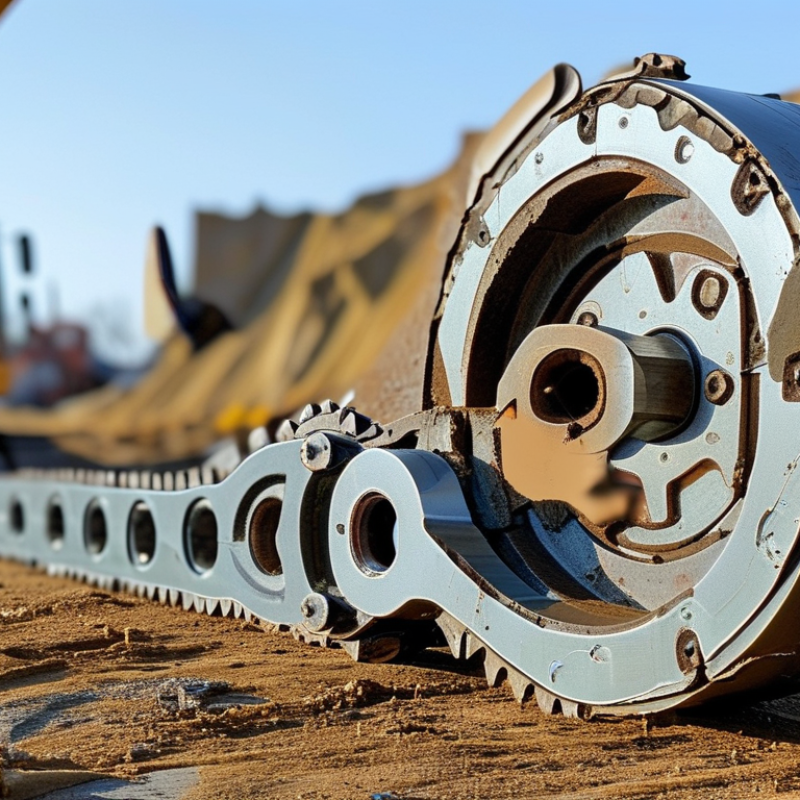
An excavator sprocket transfers engine torque to the track chain. Its teeth engage the bushings and pull the machine forward. That small steel component controls movement, traction, and part of the undercarriage’s operating rhythm.
Poor tooth profiles can create uneven contact, vibration, and accelerated chain wear. The machine may still move. It may not move efficiently.
Grand View Research valued the global construction equipment market at about USD 192 billion in 2023. Its 2024 report also projects continued growth through 2030.
KHL’s 2024 Yellow Table recorded more than 1.1 million construction machines sold worldwide in 2023. These figures do not measure sprockets directly. They show why replacement accuracy matters across a large, working fleet.
In 2026, match the sprocket to the excavator’s exact model, chain pitch, bolt pattern, and tooth count. Measure the installed parts, not only the catalog number. Inspect the chain bushings, rollers, and idlers before ordering.
A new sprocket on a stretched chain can wear quickly. Field inspections often expose this mistake. It is easy to blame the replacement part, although the real problem may be the complete undercarriage.
Consider soil, rock, mud, duty cycle, and operator habits. A heavier design is not automatically better. Sometimes, it only adds cost and unnecessary weight.
Reference: Grand View Research, Construction Equipment Market Report, 2024; KHL Yellow Table, 2024.
Matching a sprocket to an excavator starts with the undercarriage, not the machine’s advertised weight. Measure the track chain pitch, link width, bushing diameter, and sprocket tooth count. Measure twice. Do not guess. A small pitch difference can cause poor engagement, vibration, and accelerated wear. Confirm the sprocket’s bolt-hole pattern, hub diameter, offset, and mounting depth against the final drive assembly.
Inspect the existing parts before ordering. Sharp, hooked teeth often show prolonged wear, while uneven polishing may indicate misalignment or loose track tension. Compare the old sprocket with technical drawings or verified service data. Photographs help, but they cannot replace measurements. I have seen replacement parts appear identical until the mounting depth caused the track to sit slightly off-center. That assumption fails quickly in muddy work.
Choose tooth geometry that matches the complete track group, including links, rollers, and idlers. A new sprocket paired with badly worn chain links may not run smoothly. Check the excavator’s operating conditions too. Frequent rock work, steep slopes, and long travel distances can justify a stronger material or reinforced design. Ask a qualified undercarriage technician to verify the dimensions when records are incomplete. Even experienced operators can miss a few millimeters. Recheck track tension after installation and inspect contact patterns during the first working hours.
Choosing the right excavator sprocket in 2026 starts with the working conditions, not the machine’s age. Mud, rock, sand, and demolition debris create different wear patterns. Through field inspections, I have found that hardened alloy steel suits abrasive ground better than softer steel. It resists tooth rounding and reduces premature chain movement. However, material hardness alone is not enough. Poor heat treatment can make teeth brittle under shock loads.
Tooth design should match the undercarriage and the job cycle. Tall, narrow teeth can improve chain engagement in clean soil. Wider teeth often handle impact better in rocky areas. Check the original dimensions carefully, including pitch, tooth count, and mounting-hole position. A small mismatch can cause uneven loading. That mistake is easy to underestimate.
Tips: Compare the worn sprocket with a new measurement, not memory. Inspect the chain bushings before ordering. If the teeth show hooked edges, replace related worn components when practical. Keep records of operating hours and ground conditions. They make future choices more accurate. Avoid selecting solely by the lowest price. I have seen cheaper parts create faster wear, though this is not universal. Maintenance quality, alignment, and operator habits can change the result significantly. A reliable supplier should provide material details, dimensional tolerances, and clear fitment information. Test the fit before heavy production work.
Material hardness and tooth geometry should match the excavator’s duty cycle, ground conditions, and track system. The chart shows typical Brinell hardness values for commonly used sprocket materials.
Material guidance: Quenched-and-tempered alloy steel generally suits heavy-duty quarrying and abrasive ground because of its high hardness and toughness. Austempered ductile iron can provide a balanced combination of wear resistance and impact absorption for general excavation. Cast alloy steel is commonly selected for moderate-duty applications where cost and durability must be balanced.
Tooth-design guidance: Standard-profile teeth are suitable for general digging and mixed soil. Reinforced teeth are better for rock, demolition, and high-impact work. Deep-profile teeth can improve engagement and wear life in abrasive conditions, but they should be matched carefully with the track chain and manufacturer’s dimensional requirements.
Values shown are typical engineering ranges expressed as approximate average Brinell hardness (HBW); actual properties vary with alloy grade, heat treatment, casting or forging quality, and operating conditions.
Choosing an excavator sprocket starts with checking the machine, not the online listing. Record the excavator model, production year, track size, and undercarriage configuration. Measure twice. Do not guess. A worn sprocket can show hooked teeth, sharp edges, or uneven tooth spacing. Compare these signs with a new tooth profile, using a straightedge and caliper when possible. Surface rust is usually less important than tooth shape and mounting accuracy.
Compatibility depends on more than diameter. Confirm the tooth count, pitch, bolt-hole pattern, bolt-circle diameter, hub width, and offset. Check the mating track chain as well. A sprocket may fit the bolts but still create poor chain engagement. Fit is not enough. Measure the old part after cleaning away packed soil, because mud can hide cracks and distort readings. If the machine uses several undercarriage options, verify the exact configuration through service records or a qualified parts technician.
Installation conditions also affect service life. Inspect the final drive mounting face for damage, then check that bolts reach the specified torque. Do not guess. An uneven mounting surface can cause wobble, noise, and accelerated tooth wear. One practical mistake is replacing only the sprocket when the chain bushings are already badly worn. That decision may reduce the new part’s working life. Record your measurements and photographs before ordering; small differences often matter more than a few millimeters of outside diameter.
How to Choose the Right Excavator Sprocket in 2026?
Service life should be compared with working conditions, not catalog promises. A sprocket used in wet clay wears differently from one working on dry, abrasive stone. Check tooth profile, pitch, mounting dimensions, and compatibility with the existing track chain. Measure chain stretch before ordering. A new sprocket cannot correct a badly worn chain. I have seen operators replace only one worn component and face uneven wear soon afterward. That shortcut looked economical, but it reduced the useful life of both parts.
Cost means more than the purchase price. Include delivery, downtime, installation labor, and expected replacement intervals. A harder, better-machined sprocket may cost more initially. It can still reduce hourly operating costs when the machine works daily. Ask for material specifications, hardness data, and inspection records. Reliable suppliers should explain these details clearly. Be cautious with vague service-life claims. Real conditions are never identical.
Tips: Photograph the mounting area before ordering. Confirm bolt size, center diameter, tooth count, and rotation direction. During installation, clean every contact surface and inspect the chain guides. Tighten fasteners to the manufacturer’s specified torque, then verify alignment after initial operation. Recheck bolts after several working hours. Small errors matter. I would also record hours, soil conditions, and wear measurements. This simple log makes future choices more accurate, although it may feel unnecessary at first.
| Sprocket Selection Category | Typical Excavator Class | Typical Operating Conditions | Expected Service Life* | Indicative Part Cost (USD) | Typical Installation Time | Installation Requirements | Best Use Case |
|---|---|---|---|---|---|---|---|
| Standard forged steel sprocket | 8–15 metric tons | General earthmoving, moderate soil, normal track tension | 1,500–2,500 operating hours | $350–$850 per sprocket | 4–7 labor hours | Match tooth count and pitch; remove track; inspect bolts, idler, rollers, and final-drive seals. | Routine construction and utility work |
| Heavy-duty heat-treated sprocket | 15–30 metric tons | Mixed soil, rock fragments, long working cycles, frequent travel | 2,500–4,000 operating hours | $750–$1,800 per sprocket | 6–10 labor hours | Verify hardness and profile; use calibrated torque tools; replace damaged fasteners and inspect track-chain pitch. | High-utilization rental and production fleets |
| Severe-duty reinforced sprocket | 25–50 metric tons | Quarrying, demolition, abrasive rock, heavy impact loading | 3,000–5,000 operating hours | $1,400–$3,500 per sprocket | 8–14 labor hours | Confirm final-drive capacity; use lifting equipment; check track-chain, bushings, rollers, idlers, and frame alignment. | High-impact and abrasive applications |
| Bolt-on segmented sprocket | 18–50 metric tons | Machines where reduced downtime is more important than the lowest part price | 2,000–4,000 operating hours | $1,000–$3,200 per complete set | 4–8 labor hours | Support the machine securely; clean mounting faces; use new or approved fasteners; tighten in the specified sequence. | Fleet operations requiring faster replacement |
| Economy replacement sprocket | 5–20 metric tons | Light seasonal work, low annual utilization, clean operating areas | 800–1,800 operating hours | $250–$700 per sprocket | 4–7 labor hours | Confirm dimensions against the existing part; inspect the complete undercarriage before installation. | Low-hour machines and budget-sensitive repairs |
| Evaluation Factor | What to Check | Why It Matters |
|---|---|---|
| Dimensional fit | Tooth count, pitch, mounting-hole pattern, offset, width, and rotation direction | Incorrect dimensions can cause poor engagement, accelerated wear, noise, and track derailment. |
| Wear compatibility | Sprocket wear profile compared with track-chain pitch and bushing condition | A new sprocket paired with a severely worn chain may wear prematurely. |
| Material and hardness | Forging quality, heat treatment, tooth hardness, and core toughness | The right balance of surface wear resistance and internal toughness reduces tooth rounding and cracking. |
| Total replacement cost | Part price, labor, downtime, fasteners, freight, and related undercarriage repairs | The lowest purchase price may create a higher cost per operating hour. |
| Installation access | Available lifting equipment, safe machine support, tooling, and technician skill | Heavy sprockets require controlled handling and correct torque procedures to prevent injury and fastener failure. |
Mud, rock, sand, and demolition debris create different wear patterns. Hardened alloy steel suits abrasive ground. It resists tooth rounding. However, hardness alone is not enough. Poor heat treatment may cause brittle teeth during sudden impacts.
Wider teeth often handle rocky impacts better. Tall, narrow teeth can improve chain engagement in clean soil. The best choice depends on the undercarriage and work cycle. No design is perfect everywhere.
Confirm pitch, tooth count, bolt-hole pattern, bolt-circle diameter, hub width, and offset. Check mounting-hole positions carefully. Measure twice. A small mismatch can cause uneven loading and rapid wear.
Look for hooked teeth, sharp edges, and uneven tooth spacing. Clean away packed soil first. Use a straightedge and caliper when possible. Surface rust usually matters less than damaged tooth shape.
A sprocket may match the bolts but still engage poorly with a worn chain. Inspect the chain bushings for severe wear. Replacing only the sprocket may shorten its working life. That is easy to overlook.
Record the excavator model, production year, track size, and undercarriage configuration. Service records can confirm the exact setup. Online listings alone may be incomplete.
Inspect the final-drive mounting face for damage. Tighten bolts to the specified torque. Do not guess. An uneven surface can cause wobble, noise, and accelerated tooth wear.
Not always. Cheaper parts may wear faster, although this is not universal. Compare material details, dimensional tolerances, and fitment information. Maintenance, alignment, and operator habits also change results.
Save measurements, photographs, operating hours, and ground conditions. Compare the worn part with a new measurement, not memory. Small differences can matter more than outside diameter. I may still miss something; recheck unusual measurements.
Choosing the right Excavator Sprocket is essential for keeping an excavator’s undercarriage efficient, stable, and reliable. The sprocket transfers power from the final drive to the track chain, so its size and tooth profile must match the machine’s undercarriage specifications. Before purchasing, confirm the excavator model, track pitch, bolt pattern, tooth spacing, and overall dimensions. An incorrect fit can cause poor engagement, accelerated wear, noise, and unnecessary stress on other undercarriage components.
Material and tooth design should reflect the working conditions, such as rocky ground, muddy sites, or regular construction use. Inspect the existing sprocket for hooked teeth, cracks, uneven wear, and changes in tooth shape. Compare expected service life, purchase price, installation time, and maintenance requirements rather than choosing solely by initial cost. A properly matched sprocket, installed with compatible track components and correct alignment, can improve power transmission, reduce downtime, and deliver better long-term value.
Vita Construction