Electric pumps are essential tools in various industries, facilitating the movement of fluids efficiently. According to a 2022 report by the Global Electric Pump Market Analysis, the industry is expected to grow by 8% annually. This growth reflects the increasing demand for efficient fluid management systems. As energy conservation becomes more critical, electric pumps play a vital role in meeting these goals.
Dr. Emily Carter, a leading expert in hydraulic systems, states, "Electric pumps are revolutionizing how industries manage their resources." Her insights highlight the importance of electric pumps in reducing energy consumption and operational costs. These pumps not only enhance productivity but also contribute to sustainability.
Despite their advantages, some challenges persist. Issues like maintenance and potential energy losses are concerns that professionals must address. Understanding how electric pumps work is crucial for maximizing their efficiency and effectiveness in fluid movement. This exploration of electric pumps offers valuable insights into their operation and significance.
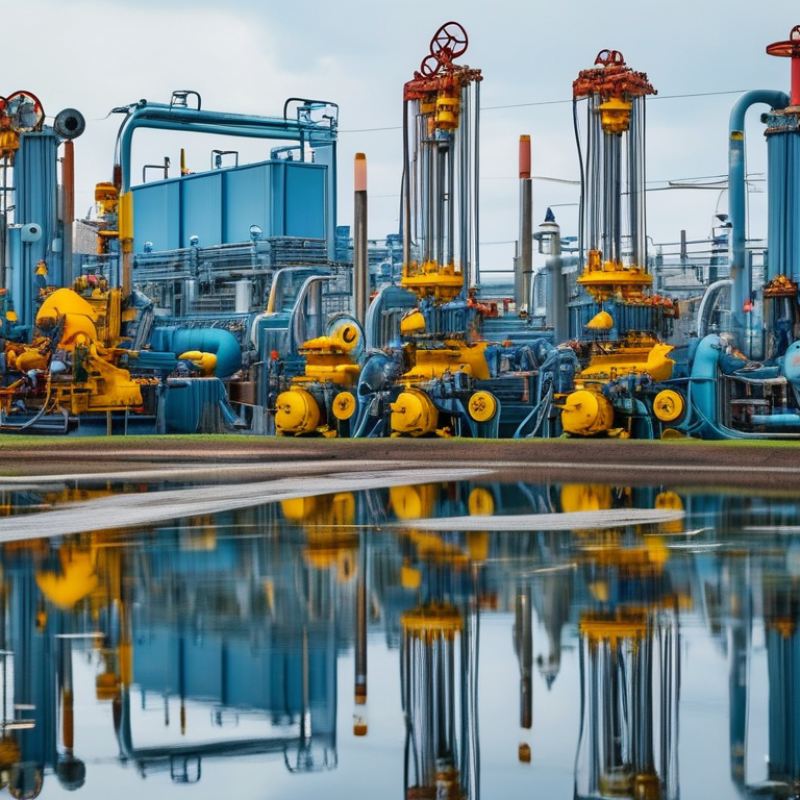
What is an Electric Pump?
Electric pumps are vital tools in various industries, converting electrical energy into mechanical energy to move fluids efficiently. They are commonly used in agriculture, construction, and household applications. According to a report by the International Pump Industry Association, the global market for electric pumps is expected to reach $40 billion by 2025. This illustrates their growing importance in everyday life and commercial practices.
The working principle of electric pumps is relatively straightforward. An electric motor drives a rotating impeller, creating a pressure differential. This pressure then moves liquids through pipes or systems. However, not all electric pumps are designed for the same purpose. Some specialize in handling clean water, while others can manage corrosive or viscous fluids. Reports indicate that nearly 30% of electric pump failures result from improper application. This highlights the need for careful selection and management.
Despite their advantages, electric pumps require regular maintenance. Improper installation can lead to reduced efficiency and increased wear and tear. Understanding the specific requirements of each pump is critical. Regular checks on seals, connections, and filters can prevent unexpected failures. In an industry where reliability is paramount, such oversight is essential for optimal performance.
Key Components of an Electric Pump
Electric pumps are essential in various applications, from home water systems to industrial processes. Understanding their key components helps us appreciate their functionality. The motor is the heart of the electric pump. It converts electrical energy into mechanical energy, driving the pump's operation. When the motor spins, it creates a suction effect, drawing fluid into the pump.
The impeller plays a crucial role as well. This rotating component pushes the fluid, increasing its pressure and enabling flow. Materials used for the impeller can vary depending on the fluid's nature. In some cases, corrosion resistance is vital. Other components include seals and bearings, which ensure efficiency and reduce wear over time. Without proper sealing, leaks can occur, challenging the pump's effectiveness.
While electric pumps are reliable, they are not infallible. Regular maintenance is needed to keep them running smoothly. Issues like cavitation can arise if the pump is not positioned correctly. Users should be aware of these potential problems. Understanding these components can guide users in making informed decisions and maintaining their systems effectively.
How Electric Pumps Operate Mechanically
Electric pumps are widely used devices designed to move liquids or gases. Understanding their mechanical operation can enhance our appreciation of their efficiency. An electric pump works primarily through the conversion of electrical energy into mechanical energy. This process involves several key components, including a motor, impeller, and volute.
The electric motor is the heart of the pump, driving the impeller. The impeller is a rotating part that transfers energy into the fluid. It creates a low-pressure area that pulls the fluid into the pump. As the impeller spins, it moves the fluid toward the pump’s exit through a specially designed volute. The shape of the volute helps to convert the kinetic energy of the fluid into pressure energy, pushing the fluid out.
While electric pumps are efficient, they are not without flaws. They can overheat if not properly maintained or if they operate outside their designed specifications. Regular inspections are essential to ensure they function well. Users may also encounter problems like cavitation, which can damage the pump and reduce performance. Understanding these aspects can help users optimize pump operation and avoid costly failures.
Different Types of Electric Pumps and Their Uses
Electric pumps are essential devices used in various applications. They come in different types, each suited for specific tasks. For instance, centrifugal pumps are widely employed in water supply systems. This type uses a rotating impeller to increase fluid velocity and transfer fluids efficiently. According to a report by Research and Markets, the centrifugal pump market was valued at approximately $36 billion in 2021 and is expected to grow significantly by 2028.
Another common type is positive displacement pumps. These pumps move fluid by trapping a fixed amount and forcing it into the discharge pipe. They are ideal for high-viscosity fluids and are often used in the oil and gas industry. Data from Grand View Research shows that the positive displacement pump sector is anticipated to reach around $31 billion by 2025, reflecting the high demand for efficient fluid management solutions.
Electric pumps are not without challenges. Factors such as energy consumption and maintenance requirements can affect performance. Users should also consider compatibility with the fluids being pumped. Understanding these aspects is vital for optimal use. Reliable data sources like the International Pump Users Association provide valuable insights into industry standards and best practices, aiding in informed decision-making.
Applications of Electric Pumps in Various Industries
Electric pumps play a crucial role in various industries, facilitating the movement of fluids with efficiency and precision. According to a report by Global Market Insights, the electric pump market is projected to exceed $50 billion by 2026. This growth is driven by the rising demand for automation and reliable fluid transfer methods in sectors such as agriculture, manufacturing, and oil and gas.
In agriculture, electric pumps are used extensively for irrigation systems. They help in distributing water evenly across fields, ensuring optimal crop growth. Data from the Food and Agriculture Organization (FAO) suggests that efficient irrigation can increase crop yields by up to 30%. This impact is vital as the global population continues to rise, necessitating innovative solutions to food production.
In the manufacturing sector, electric pumps are crucial for various processes, including cooling systems and chemical handling. A study from Research and Markets indicated that the demand for electric pumps in industrial applications is expected to grow at a CAGR of 5% from 2021 to 2027. However, inconsistencies in pump maintenance can impact efficiency. It's important to regularly assess pump performance to avoid costly downtimes. Addressing these issues is essential for maximizing operational reliability and reducing risks.
Applications of Electric Pumps in Various Industries
This bar chart represents the number of electric pumps utilized in different industries, indicating their widespread application in sectors such as agriculture, mining, water supply, HVAC, and industrial settings.
Conclusion
An Electric Pump is a mechanical device that utilizes electric power to transfer liquids or gases from one location to another. Comprising key components like the motor, impeller, and housing, these pumps are designed to be efficient and reliable. The operation of an Electric Pump is based on transforming electrical energy into mechanical energy, which drives the pump's components to create flow and pressure.
There are various types of Electric Pumps, including centrifugal, diaphragm, and submersible pumps, each serving specific applications across multiple industries. For instance, electric pumps are widely used in agriculture for irrigation, in chemical processing for fluid transfer, and in municipal applications for wastewater management. Their versatility and efficiency make Electric Pumps essential tools in modern industrial operations.

 Vita Construction