Choosing the right Excavator Idler is not a simple matter of matching a part number. It is a decision about machine life, operating cost, and daily reliability. A poor choice may create uneven track tension, accelerate rail wear, or cause repeated downtime on a muddy jobsite.
Mike Vorster, a respected heavy-equipment consultant, offers a useful principle: “The right machine is the one that earns its keep.” The same idea applies to undercarriage components. The best Excavator Idler should suit the excavator’s weight, track width, working conditions, and manufacturer specifications. A 20-ton excavator working in abrasive quarry dust needs different protection from a compact machine operating on soft landscaping soil.
Look closely.
Examine the idler’s flange thickness, shaft condition, seal design, and grease retention. Check whether the part is new, rebuilt, or refurbished. Ask for material specifications, heat-treatment details, warranty terms, and documented quality testing. Experienced technicians should also measure track alignment before installation. A new idler cannot correct a bent frame or neglected track tension.
A clean exterior can mislead. I have seen components that looked sound but developed leaks after a short operating period. That possibility deserves honest attention. Price matters, but total service life matters more. Compare supplier experience, replacement availability, technical support, and field feedback. Reliable purchasing decisions come from evidence, not confident promises. This guide explains each checkpoint clearly, helping owners and fleet managers choose an Excavator Idler that performs steadily under real working pressure.
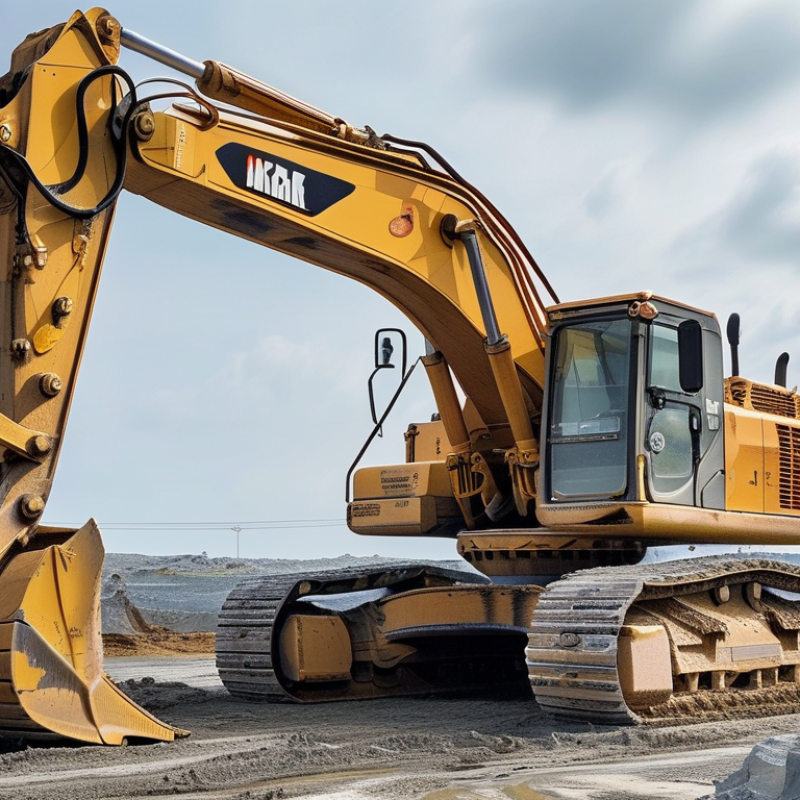
An excavator idler is the front wheel inside the track frame. It guides the track chain and works with the sprocket and rollers. Its main job is maintaining stable track movement. A recoil spring and tension adjuster usually sit behind it. Together, they absorb shock when the machine crosses rocks, trenches, or uneven ground. Correct tension prevents excessive track slippage and reduces stress on the undercarriage.
Choosing the right idler requires more than matching the excavator’s size. Check the machine model, track width, idler diameter, guide width, shaft dimensions, and mounting pattern. The idler must also fit the track chain precisely. In practical inspections, uneven wear often reveals poor alignment or incorrect tension. A clean-looking idler may still contain damaged bushings or worn bearing surfaces. That is easy to miss. Measure the old part carefully, and compare critical dimensions with reliable technical data. Working conditions matter too. Mud, sharp stone, and long travel distances can shorten service life. A heavier-duty design may help, but it is not always the best answer.
Tips: Inspect the idler flange for cracks and unusual polishing. Check grease leakage around the seal. Keep track tension within the excavator’s specified range. Too tight increases friction. Too loose invites derailment. Record wear patterns during routine maintenance; small changes can prevent costly undercarriage repairs. Reliable fit matters more than appearance.
An excavator idler guides and tensions the track chain, helping maintain alignment and reduce uneven wear across the undercarriage. The chart shows representative front idler outer-diameter ranges commonly associated with different excavator size classes.
Representative engineering ranges in millimeters. Always verify the idler diameter, track-chain dimensions, mounting points, and tensioning-cylinder compatibility against the excavator’s service specifications.
How to Choose the Right Excavator Idler?
Key Factors for Matching an Idler to Your Excavator
Excavator demand is expanding. Fortune Business Insights valued the global excavator market at USD 63.14 billion in 2023. That growth also increases replacement-part demand. However, an idler is not a universal fit. Match the component to the excavator’s operating weight, track pitch, track width, and undercarriage design. Measure twice.
Check the idler’s flange diameter, overall width, shaft size, mounting pattern, and frame clearance. Confirm hydraulic tensioner compatibility before ordering. ISO 16754:2004 provides methods for evaluating ground contact pressure on crawler machines. This helps technicians understand how machine weight affects the undercarriage, although it does not replace the manufacturer’s service dimensions. A heavier machine can overload a visually similar idler.
Field inspection adds practical evidence. Look for oil leakage, uneven flange wear, cracked welds, loose bearings, and abnormal track movement. A dry seal often leaves a dark, dusty ring around the shaft. Do not rely on appearance alone. Measure the old part and compare its dimensions with verified technical drawings. In my experience, incorrect flange spacing causes trouble quickly. I still recheck the track pitch, because that simple step is easy to overlook. Off-Highway Research’s 2024 construction equipment review also emphasizes rising replacement demand as installed machine populations age. Use service history, duty cycle, soil conditions, and transport frequency to select the correct idler, not price alone.
Idler quality starts with traceable material, not a glossy surface. Ask for the steel or ductile-iron grade, heat-treatment record, and hardness results. ASTM A536 supports ductile iron classification, while ISO 6506 specifies Brinell hardness testing. These documents help, but paperwork can still hide weak process control. I have seen smooth idlers develop edge cracks after short work in rocky soil.
Inspect the tread and flange carefully. The tread should be even, without grinding waves, sharp casting marks, or exposed pores. Check whether the shaft runs centrally and whether the seal groove is clean. A dial indicator can reveal runout that the naked eye misses. Hardness should be consistent across several points, not only near the surface. Excessive hardness may resist wear but can reduce toughness. That trade-off is easy to overlook.
International Construction’s 2024 Yellow Table reported approximately 244 billion US dollars in global construction-equipment sales for the previous year. Such scale shows why standardized production and documented inspection matter. ISO 9001-based quality systems can improve traceability, but they do not guarantee a durable idler by themselves. Compare dimensional drawings, load-test records, weld procedures, and batch numbers. Ask for failure data from similar machines and ground conditions. A supplier avoiding these questions deserves caution. Field hours remain the hardest evidence.
Choosing the right excavator idler starts with exact measurements, not appearance. Measure the idler’s outside diameter, shell width, flange height, shaft diameter, and mounting width. Record the bolt-hole pattern and grease-port position. A few millimeters can cause poor track alignment. It can also accelerate rail and bushing wear.
Match the idler with the excavator’s model, serial range, track-chain pitch, and undercarriage group. Check the machine service manual and parts drawing. ISO 16754 provides standardized methods for evaluating earthmoving undercarriage dimensions. The 2024 KHL Yellow Table reported 243.4 billion dollars in combined construction-equipment sales for the leading manufacturers. That scale reflects how critical standardized component selection has become. Market size does not guarantee fit.
Installation needs the same discipline. Clean the frame, inspect the carrier rollers, and replace damaged seals before fitting the idler. Use the specified torque, not a familiar value from another machine. Align the idler squarely with the track frame. Grease the tensioning system gradually, then verify track sag against the service manual. I still recheck measurements after installation. Small errors are easy to miss. A loose track may derail. An over-tight track can overload the final drive and idler bearings. Photographs, caliper readings, and the machine serial number create a dependable installation record.
When comparing excavator idlers, purchase price is only the opening figure. A low-cost idler may need earlier replacement, increasing labor and downtime expenses. I have seen machines lose several working hours because a worn idler damaged the track system. That delay often costs more than the original price difference.
Check the idler’s expected service life under your actual conditions. Rocky ground, mud, long travel distances, and heavy attachments can shorten component life. Ask for test data, material details, sealing design, and recommended operating limits. Compare the cost per working hour, not just the invoice total.
A simple calculation helps: purchase price, installation labor, grease, inspection time, and possible downtime.
Maintenance needs also reveal quality. Inspect the idler for oil leakage, uneven wear, abnormal noise, and excessive side movement. Follow the equipment manual for track tension, because an overly tight track increases bearing and shell loads. Clean packed soil around the undercarriage after muddy work. It sounds basic. Many operators skip it.
Service-life estimates are never perfect. Actual results depend on operator habits and ground conditions. I would rather choose a slightly higher-cost idler with clear technical support than trust an attractive number without evidence. Still, expensive does not automatically mean better. Review warranty terms, replacement procedures, and documented field performance before deciding.
: An excavator idler is the front wheel inside the track frame. It guides the track chain and supports smooth track movement.
The idler works with the sprocket, rollers, recoil spring, and tension adjuster. Together, they absorb shocks from rocks and uneven ground.
Excessive tension increases friction and undercarriage stress. Loose tension can cause track slippage or derailment.
Check the excavator model, track width, track pitch, idler diameter, guide width, shaft size, and mounting pattern.Measure twice.
Not always. A visually similar idler may have incorrect flange spacing, shaft dimensions, or frame clearance.
Look for cracks, unusual flange polishing, oil leakage, loose bearings, and abnormal track movement.A dark, dusty ring may indicate seal leakage.
The old part provides useful dimensional evidence. Measure its width, diameter, shaft, and mounting points carefully.Appearance can mislead.
Yes. Mud, sharp stones, long travel distances, and frequent transport can increase wear and shorten service life.
No. A stronger design may help under severe conditions, but incorrect dimensions can still cause rapid wear.That assumption needs checking.
Record wear patterns, check grease seals, and keep tension within the specified range. Small changes often reveal larger alignment problems.
Choosing the right Excavator Idler is essential for maintaining undercarriage stability, track alignment, and overall machine performance. The idler guides the track and helps absorb operating forces, so selection should be based on the excavator’s model, operating weight, track system, working conditions, and expected workload. Consider whether the machine operates mainly on rocky ground, soft soil, construction sites, or demanding environments, as these factors influence the required strength and design.
Before purchasing, check the idler’s dimensions, mounting points, shaft specifications, and compatibility with the existing undercarriage. Evaluate the quality of the materials, heat treatment, seals, welding, and manufacturing standards to ensure reliable performance. It is also important to compare the purchase cost with expected service life, maintenance requirements, and downtime risks. A well-matched Excavator Idler can reduce uneven wear, improve track efficiency, and provide better long-term value. Always confirm installation procedures and inspect related components before fitting the replacement.

Vita Construction